ICE has affected our school system but first what is ICE’S job Exactly?
Ice stands for immigration and custom re forcements , there job is to enforce immigration laws on people that already living in the U.S. immigration detention is considered a civil process, not a CRIMINAL one. So that means that someone can be detained even if they didn’t committed any sort of crimes. When ice detains someone there are taken into custody into facilities some of these facilities are run by the government. There have been number of real and documented cases where people are dying, and seriously injured in these facilities and most of the time lots of people are being physically and emotionally mistreated. Which is NOT okay these people formed lives here, they have families, they have jobs. They are part of society. The United States is build off of immigrants and it’s not right for people to be taken from homes. This crisis has affected everyone, high schools, teenagers and including from Armijo high school is now touching on this issue. Speaking out through social media, walkouts ,and school wide awareness.
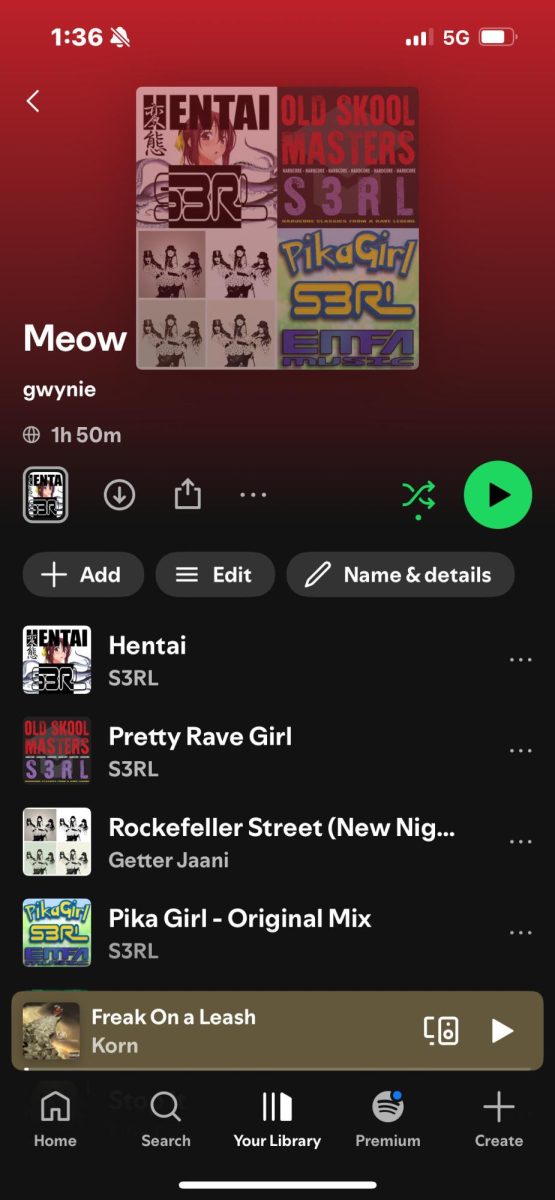
At Armjio high school, students have organized walkouts and used platforms like instagram to spread awareness. This photo is one of many post warnings when ICE being reported nearby, and making sure that others are aware to protect one another. In addition, I made a poll over 100 students expressed that ICE is affecting the community, and most believed it is harming the nation overall.
“It has affected my parents, neighbors, and family friends. People panic when they hear ICE is nearby and worry about being taken without reason,” Jennifer Perez stated.
While some students are indirectly affected, others have experienced fear at a much personal level, especially with their own families.
“We’re scared that one day our dad might not come back home,” Ruby Velasquez Ramirez said. “That fear is always there.”
For many students, these fears began at young age and have continued to shape how they view their community and safety.
“My mom had to hide from ICE before, and they even tried to find her,” Mari said. “ I’ll be worried that one day she could be taken away.”
Despite these challenges, many students are finding ways to speak out and support their communities. Student walkouts, for example, allow students to express their concerns and stand in solidarity with one another. Jennifer explained that while these walkouts may not always receive widespread media attention, they are meaningful because they show unity and support within the community. Ruby also shared that even without participating in the walkout, she used her voice by creating a poster in her government class to raise awareness. Fernando emphasized the importance of social media in spreading information and reaching a wider audience. These actions demonstrate that students are not staying silent—they are finding different ways to make their voices heard.
The interviews also revealed strong opinions about ICE and the misunderstandings surrounding immigration. Jennifer emphasized that many people do not recognize how much immigrants contribute to the country, even though the United States was built by people from many different backgrounds. Yasmin added that some individuals support policies without realizing how they can negatively impact people they know, such as friends, neighbors, and family members. Ruby and Fernando also criticized how ICE operates, describing it as aggressive and unfair. These perspectives show that many students believe immigration issues are misunderstood and that more awareness is needed.
Despite the fear and frustration expressed throughout the interviews, the students also shared messages of hope and resilience. Jennifer encouraged people to stay hopeful and support one another during difficult times. Mari emphasized the importance of faith, while Janneth encouraged people to stay strong and connected to their communities. Their responses reflect a sense of unity and determination, even in the face of uncertainty.
Overall, the interviews, student walkouts, social media efforts, and poll results all reveal one clear truth: ICE activity is not just a political issue, but a deeply personal one that affects students, families, and entire communities. Despite the fear and uncertainty, students continue to speak out, support one another, and stand up for what they believe is right. Their voices show strength, unity, and compassion. At its core, this issue is about people—about families who work hard, make sacrifices, and strive for a better life. Immigrants represent the true meaning of the American Dream: the pursuit of opportunity, hope, and a future built through resiliencei and determination. By sharing these stories and experiences, it becomes clear that protecting and uplifting these communities is not just important—it is necessary for the future of our society.



![Bold Spirit on Display
The 6 Senior ASB Officers [Mark Silva], [Ethan Magno], [Mariza Supapo], [Kiera Tomko], [Ahri Aguba], and [Osaguina Sorae] arrive early to the game to help set up and boost school spirit, gathering at the fence to hype up the crowd as the sun sets behind the bleachers. Their coordinated shirts, painted by ASB officers in the past years, become a highlight of the event as students stop to take photo with them. The moment captures how school events bring students together through shared pride and energy.](https://the-armijo-signal.com/wp-content/uploads/2026/04/Photo-1-900x1200.jpg)