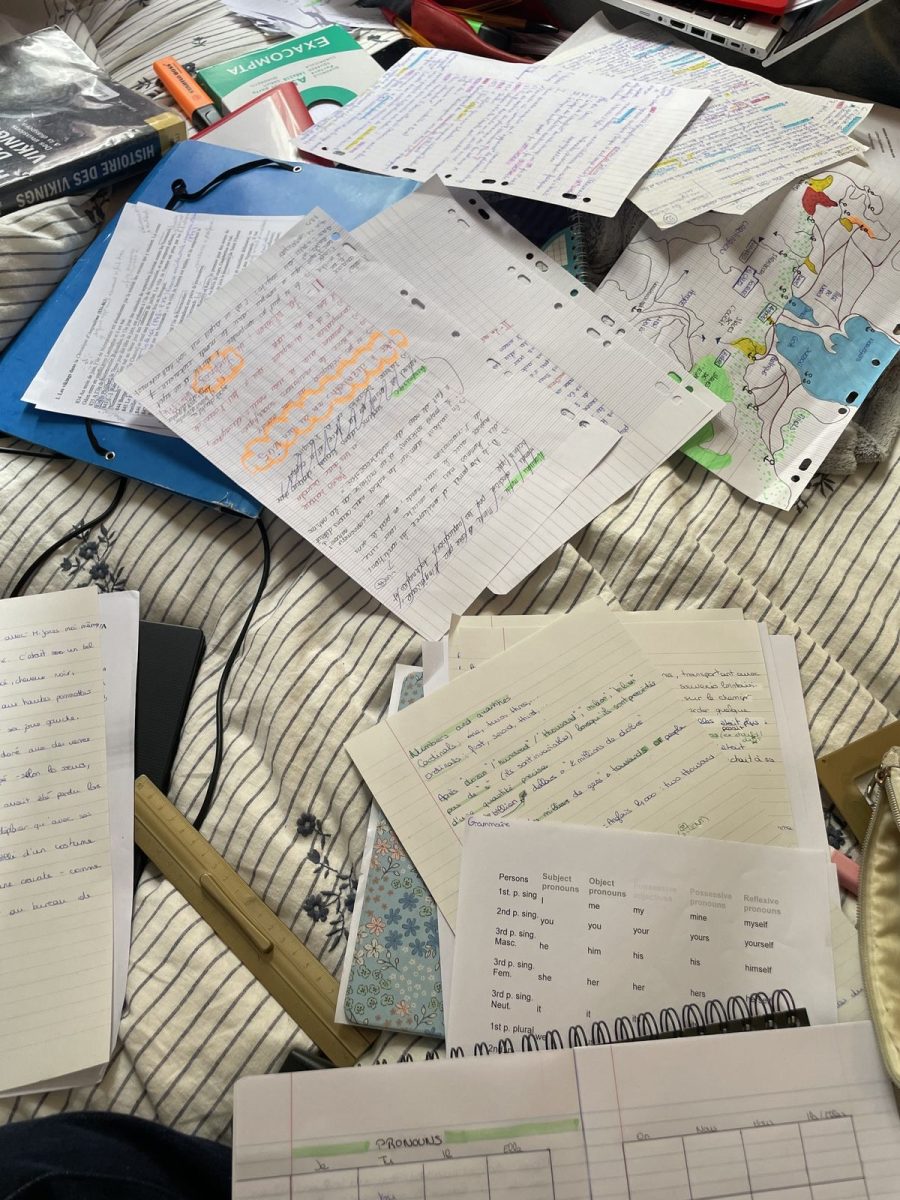
By the time Armijo High School students walk onto campus each morning, many of them already feel like they’re pushing against the day. The A and D halls are buzzing, the bell is loud, and the first period starts before their brains have fully caught up to their bodies. For a lot of Armijo students, school doesn’t begin with curiosity or excitement. It starts with exhaustion.
“I’d change the start time,” Zion Sanders said. “We start way too early.”
On paper, that might sound like a regular complaint from teenagers who just want to sleep in. But when students talk about early start times, they’re not just being lazy. They’re describing a routine that never seems to consider what it’s like to be that person balancing school, family, work, and everything else personal in between.
Zion’s words are what students say quietly in the halls or at lunch tables: the system is not for students’ bodies and minds.
From the outside, a school day looks simple: classes, lunch, more classes, then home. But for students inside it, the day is a marathon of sitting, listening, and trying not to lose focus, spending hours in the same chairs and fluorescent lights, moving only when the bell tells them to.
‘I’d make classes a little shorter and add another short break in the middle of the day,” Sanders said. “Sitting for so long makes it hard to focus.”
Plenty of students would agree. Theyre not asking to avoid learning; theyre asking to change pace of it, the problem isnt that schools expects them to think, its that it expects them to think at full speed, with no real breaks for the entire day.
From a students perspective a better schedule would recognize attention. Shorter class periods and an extra break wouldnt mean less learning. They would mean better learning, time to move, reset, and process instead of surviving bell to bell
Whats students like Zion are really describing is the physical and mental strain that comes with being in school. The current schedule is built around efficency and control, not how young people express their ideas about shorter classes and more breaks aren’t about doing less. They’re about doing less. They’re about creating a school day that respects students as human beings who get tired and overwhelmed.
Students don’t stop at the clock. When they look at what they’re actually learning. Many notice a gap between what fills their backpack and their real lives. “I’d add more real-life classes, like cooking,” Zion said. “And maybe classes about mental health and stress.”
He’s not alone. Across schools, students talk about wanting classes that teach them how to budget money, write a resume, and cook a basic meal, or understand credit and taxes. Just as urgently, they want mental health stress, anxiety, and burnout to be talked about.
Right now, students carry far more than textbooks into the classroom. They bring family responsibilities, part-time jobs, friendships, and fear about the future. Yer most of that never shows up in the curriculum.
From the students’ perspective, a meaningful education would take into consideration the entire person and not just the part that takes tests. They’re asking for schools that help them build real-life skills and emotional tools.
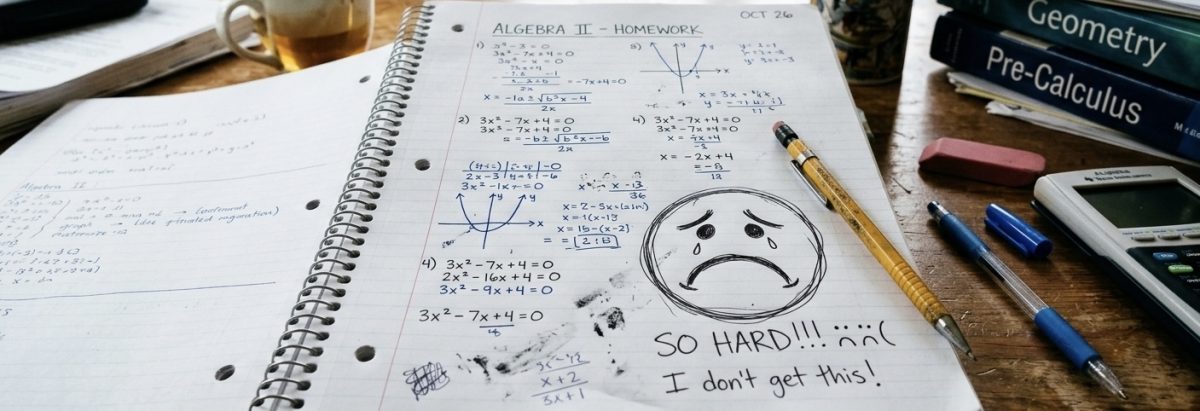
Nothing shows the tension between school and student life more clearly in many students’ minds than homework. After a full day of classes, they walk out of the building carrying more hours of work in their backpacks
Zion may be just one voice, but the experiences behind his words belong to many. Until student choices and perspectives are treated as central and not optional, any conversation about changing schools will be missing its most important experts: the young people who live in it every single day.
Homework can make it seem like there’s always another assignment waiting, another grade on the line, and very little time that actually feels like a break from school.
“Honestly,” Zion said. “I’d get rid of it completely; it’s unethical.”