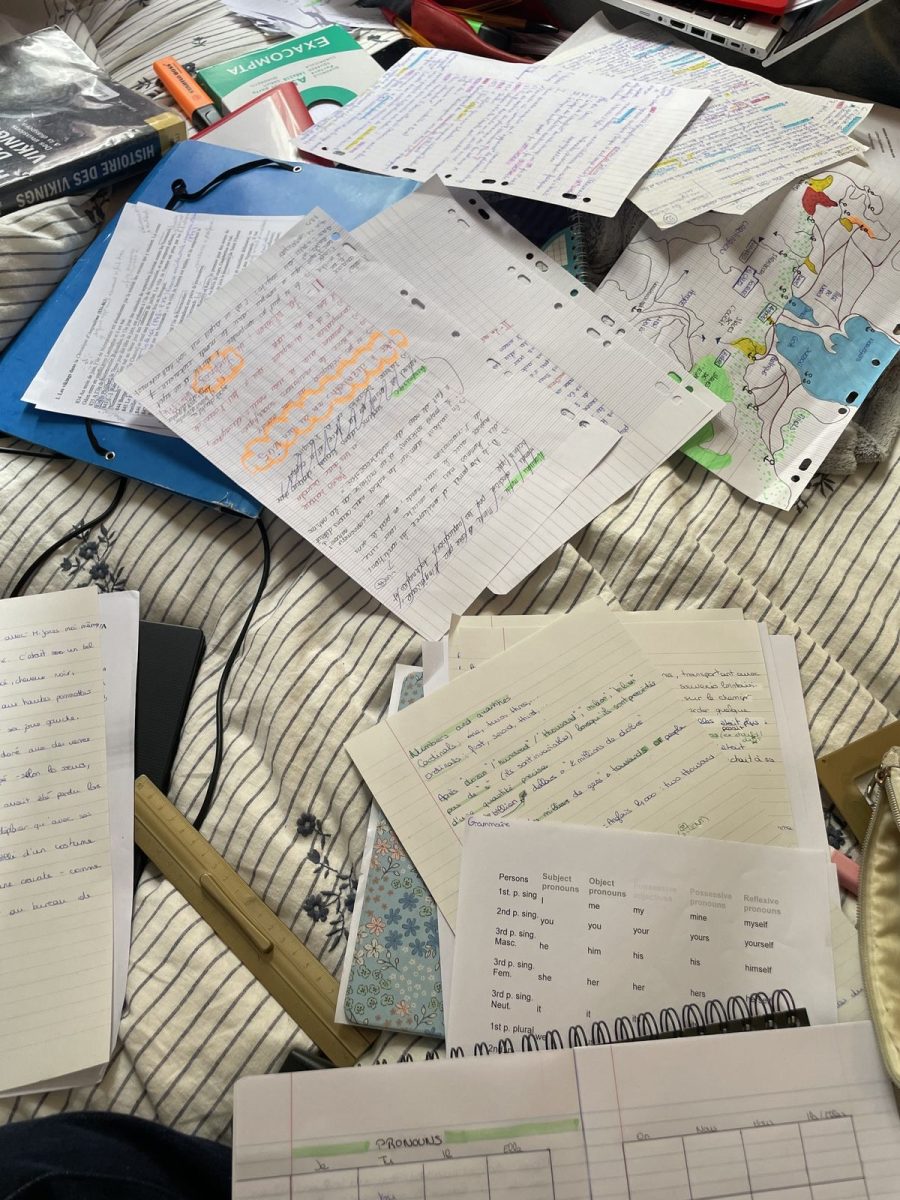
Many high school students are silently struggling to do their work with huge baggage of stress. Late-night homework, social pressure, chronic use of the internet, expectations from school and family, and many other sources contribute to this growing burden and because of this, maintaining one’s mentality more important than ever. As anxiety and burnout become more common in an average teenager’s life, people start to recognize managing stress is an essentiality.
Mental health remains a very overlooked aspect of one’s overall being, especially among students struggling with their schoolwork or work of any kind and personal work and challenges. Some students may lack confidence when approaching their work, other times they might be stuck or unsure of how to even start it off. Though in many cases it’s likely not fueled from a lack of care or ability but general exhaustion instead. Carlos Aguilar, a counselor here at Armijo high school simply puts it as, “You’re just too tired, both physically and emotionally.”
While dedicating extra time to studying will obviously improve performance and probably make it easier for one to retain a lot more information, overworking the brain will cause an opposite affect. Students might experience mentally fatigued after working too hard, which would likely lead to difficulty keeping information and making the whole study and work session essentially useless. Aguilar suggests to break down your work by “equally distributing how much you have to work on every single day.” This not only reduces stress but also helps create a more consistent and manageable routine.
Sleep, productivity, and screen time all have large roles on how students would approach their work. Those who only get a few hours of sleep may tend to feel unmotivated or sluggish throughout the day. Additionally, excessive screen time can also massively contribute to procrastination by distracting you from your responsibilities. While these activities are always available, you should focus on your work first so you can have all the time for yourself later without the feeling of guilt or pressure. Aguilar emphasizes the fact that “The longer you wait to get that process started in terms of preparing and studying, the more stressful it becomes.” because “You only have a specific amount of time to memorize/familiarize with this information.”
Students can break out of procrastination and manage stress more efficiently by breaking large assignments down into smaller parts or doing specific tasks in their own day (Like suggested by Mr. Aguilar before). For example, studying one section each day and quickly reviewing previous material can make learning easier to retain. Managing your time is especially important during busy periods, as trying to fit too many tasks into a short amount of time can quickly become severely overwhelming and turn into frustration and burnout. By planning ahead and setting realistic goals, students can stay on track without feeling overloaded.
Another important way to manage your stress is to make time for the hobbies that give you enjoyment. Balancing your work with your personal activities can help students relax and maintain a healthy mindset. Though of course you don’t want to get distracted for too long as that may as well be worse than overworking. As Mr. Aguilar advises, students should “be familiar with what works for you and what doesn’t.” He also observes that students who manage their stress well tend to enjoy what they are doing and feel more satisfied with their decisions.
Closing this off with the conclusion that your mental health plays a critical role in your academic success and personal life. Don’t neglect yourself, learn ways to keep you sane and prepared for anything along with a more balanced and productive lifestyle.