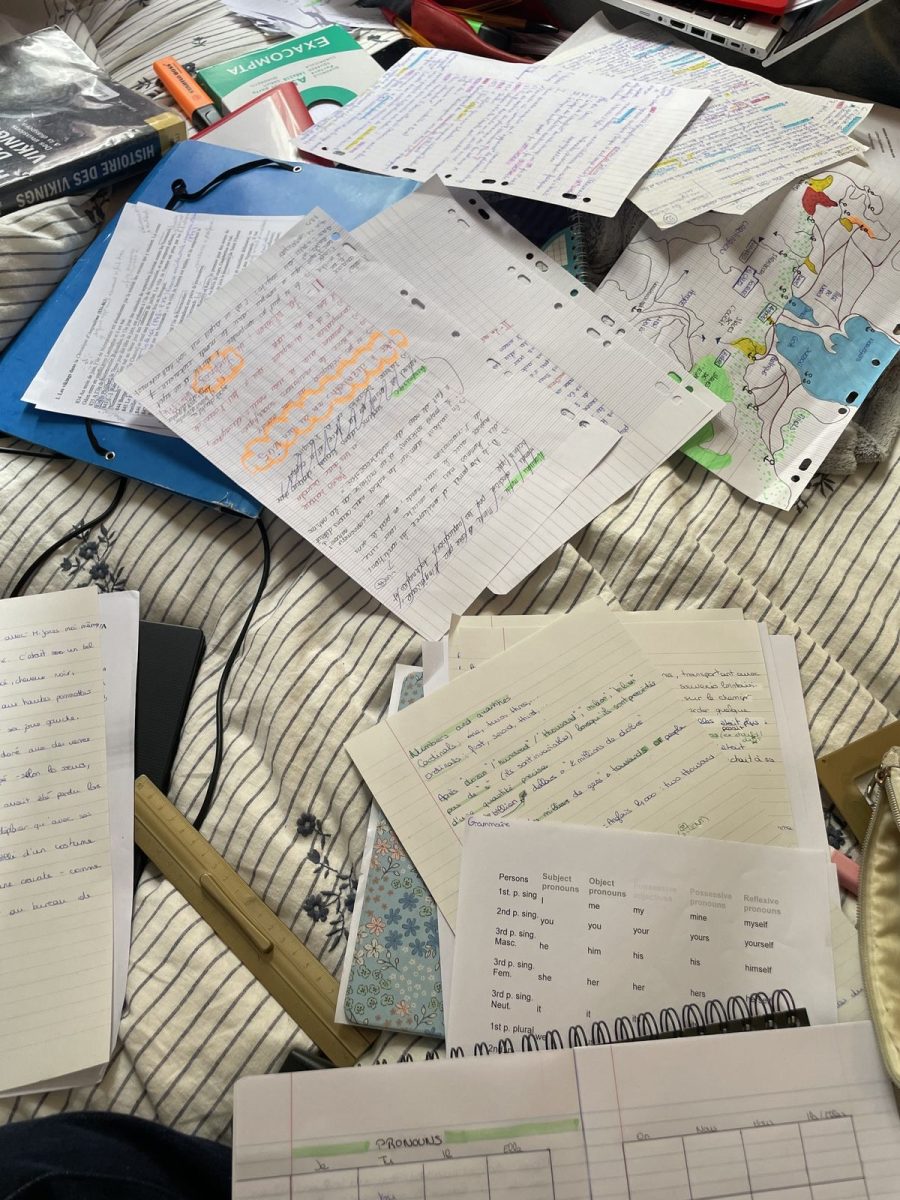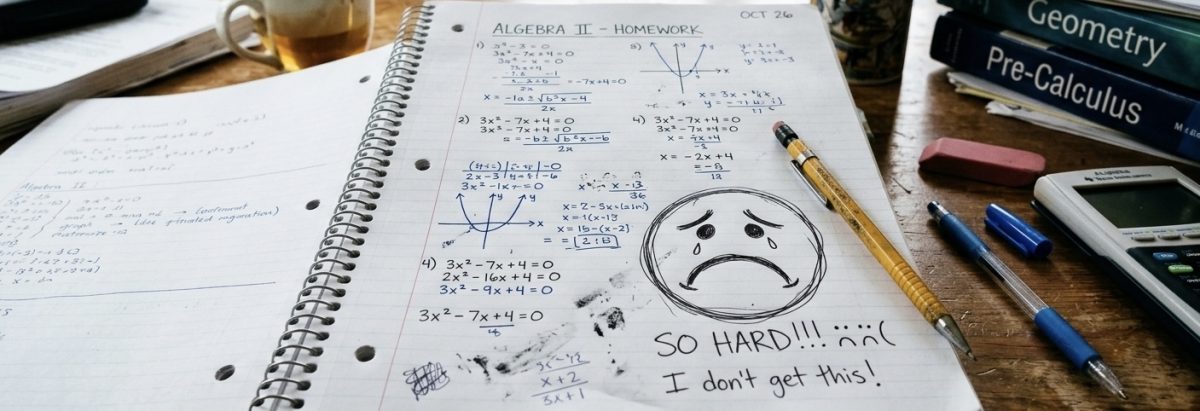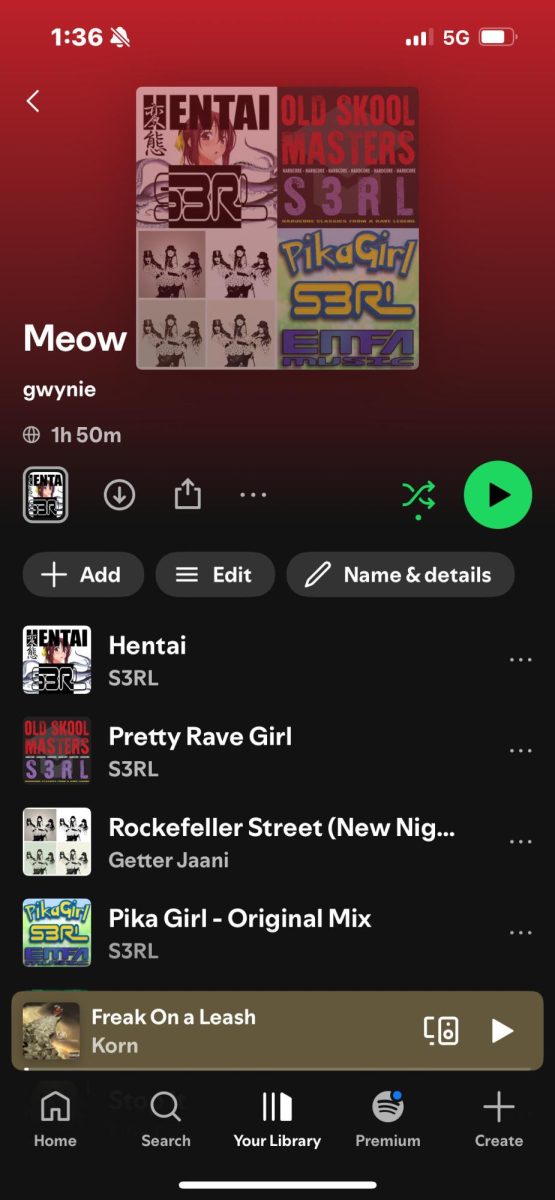
In classrooms today, music has become a quiet but powerful presence. Students slip in earbuds during independent work, turning to playlists that promise focus, calm, or escape. But while some learners argue that music sharpens their concentration, teachers often see a different outcome; missed instructions, lowered engagement, and divided attention. The question remains: does music help students learn or does it pull them away from learning altogether?
From the student perspective, music is often described as a support system rather than a distraction. One student explained that listening to music “helps students with concentration and focus,” especially by reducing stress and blocking out classroom noise. For many, it becomes a way to stay grounded during independent work. Gwyn, a student interviewed, shared that music “definitely helps because it helps me reduce stress, engages my attention, and blocks out distractions.” In her experience, music is not just helpful academically but emotionally as well, describing it as something that can help her stop crying and regain control of her feelings.
Gwyn also sees music as flexible in purpose. Rather than fitting into a single category, she describes it as both a coping mechanism and a learning tool. She explained that when she listens to music while working on puzzles or studying, she is able to focus better and finish tasks faster. This reflects a broader student belief that music can create a personal environment where concentration feels easier and stress is reduced.
However, not all classroom experiences support that positive effect. From a teacher’s standpoint, music can create barriers to learning. Mr. Smith, a classroom teacher, explained that students use music for multiple reasons: some to improve focus, but others simply because they are bored or not feeling challenged in class. In his view, this difference matters, since motivation and engagement play a major role in whether music becomes helpful or harmful.
Mr. Smith described music as a “double edged sword.” While he acknowledges that it can help in certain situations, especially without lyrics or during specific types of assignments, he believes it often hinders students’ performances. One of the biggest concerns is that students wearing headphones “don’t hear the instructions and they don’t know what they are learning about” which can leave them feeling more lost during lessons.
He also pointed out the long-term academic impact of constant headphone use. According to Mr. Smith, if headphone use were completely banned, schools might see a “noticeable change in students’ test scores,” largely because students would no longer be missing out on instructions or assignments while distracted by music. In his view, music may have a place during independent work, but unrestricted use during class time risks reducing overall understanding.
Despite their differences, both students and teachers agree that music serves more than one purpose. Mr. Smith described it as “all three”: a coping mechanism, a distraction, and sometimes a limited learning tool. This overlap highlights the complexity of the issue: music is not simply helpful or harmful, but depends heavily on how and when it is used.
Adding to this complexity is the issue of equity in the classroom experience. For some students, music is a necessary tool for managing stress or sensory overload, helping them stay calm enough to complete assignments at all. For others, however, it can become an escape that distances them from participation in the lesson. This split creates a classroom dynamic where the same tool can either support learning or quietly undermine it depending on the individual student’s needs and habits.
At the center of the debate is the question of control and balance. Students like Gwyn emphasize personal responsibility, suggesting that music helps them stay focused and emotionally regulated when used appropriately. Teachers like Mr. Smith, however, stresses the importance of structure, pointing out that learning often depends on actively hearing instructions and engaging with the material in real time. As classrooms continue to evolve with technology and personal devices, the challenge will likely remain finding a middle ground where students can use tools like music without losing access to the core instruction that drives learning.